

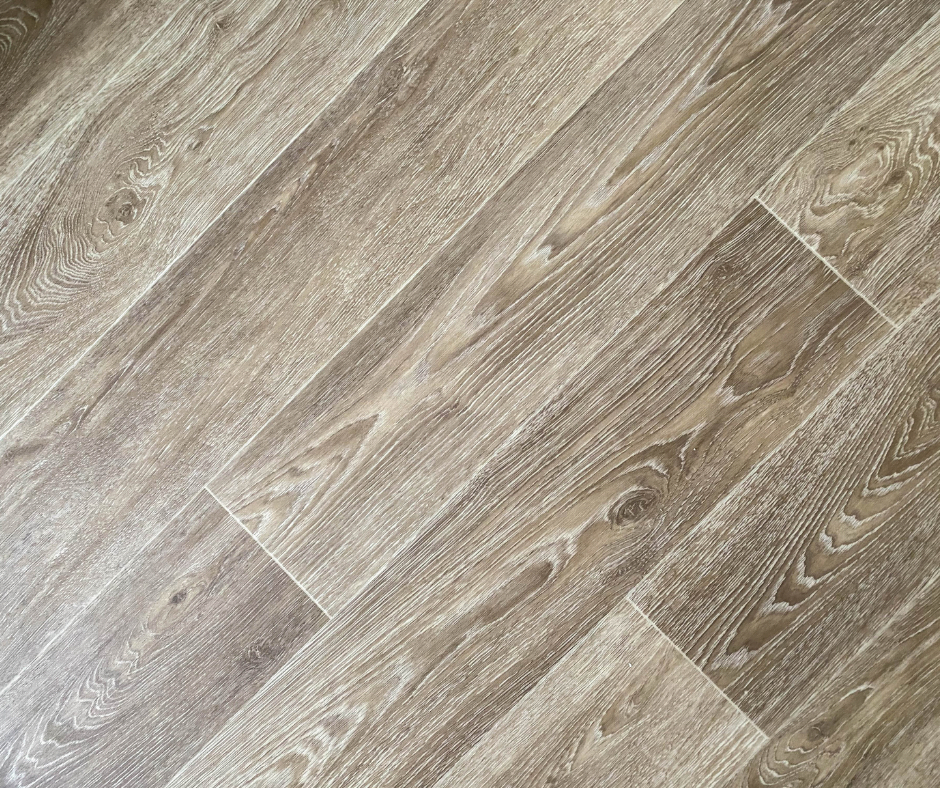
Understand Your Vinyl Flooring Type
Before you start cleaning or maintaining vinyl flooring, it’s important to know exactly what type you have. Luxury Vinyl Plank (LVP), Luxury Vinyl Tile (LVT), and sheet vinyl all share similar durability benefits, but their construction and wear layers can vary. Thicker wear layers generally tolerate more foot traffic and frequent cleaning, while thinner products require gentler care. Always check manufacturer guidelines, as using the wrong cleaners or tools can void warranties—even on waterproof vinyl.
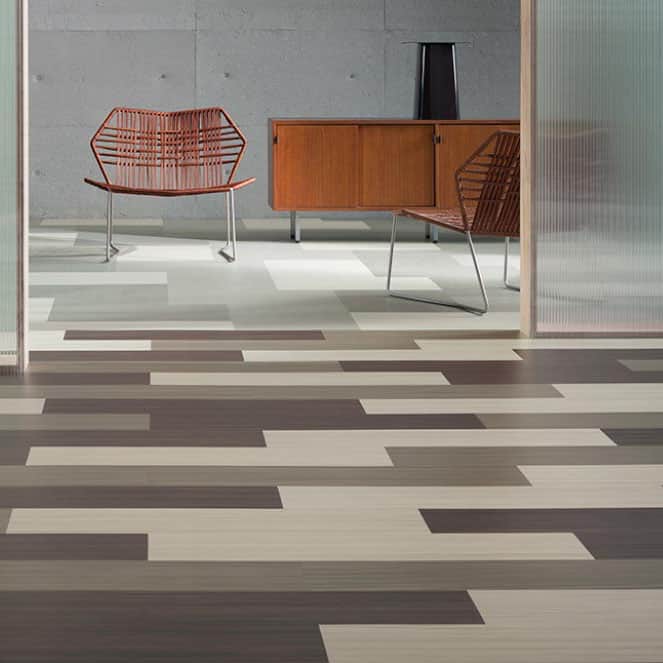
Daily & Weekly Vinyl Floor Cleaning Basics
Routine cleaning is the foundation of proper vinyl flooring maintenance. Dirt, sand, and grit act like sandpaper on the wear layer, slowly dulling the surface over time. Sweeping or vacuuming (with a hard-floor setting) several times per week helps prevent surface scratches, especially in high-traffic areas. Entry mats at doors significantly reduce debris buildup and extend the life of your vinyl floors.
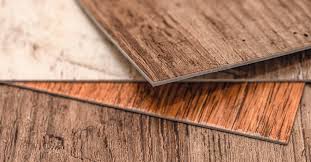
How to Mop Vinyl Flooring the Right Way
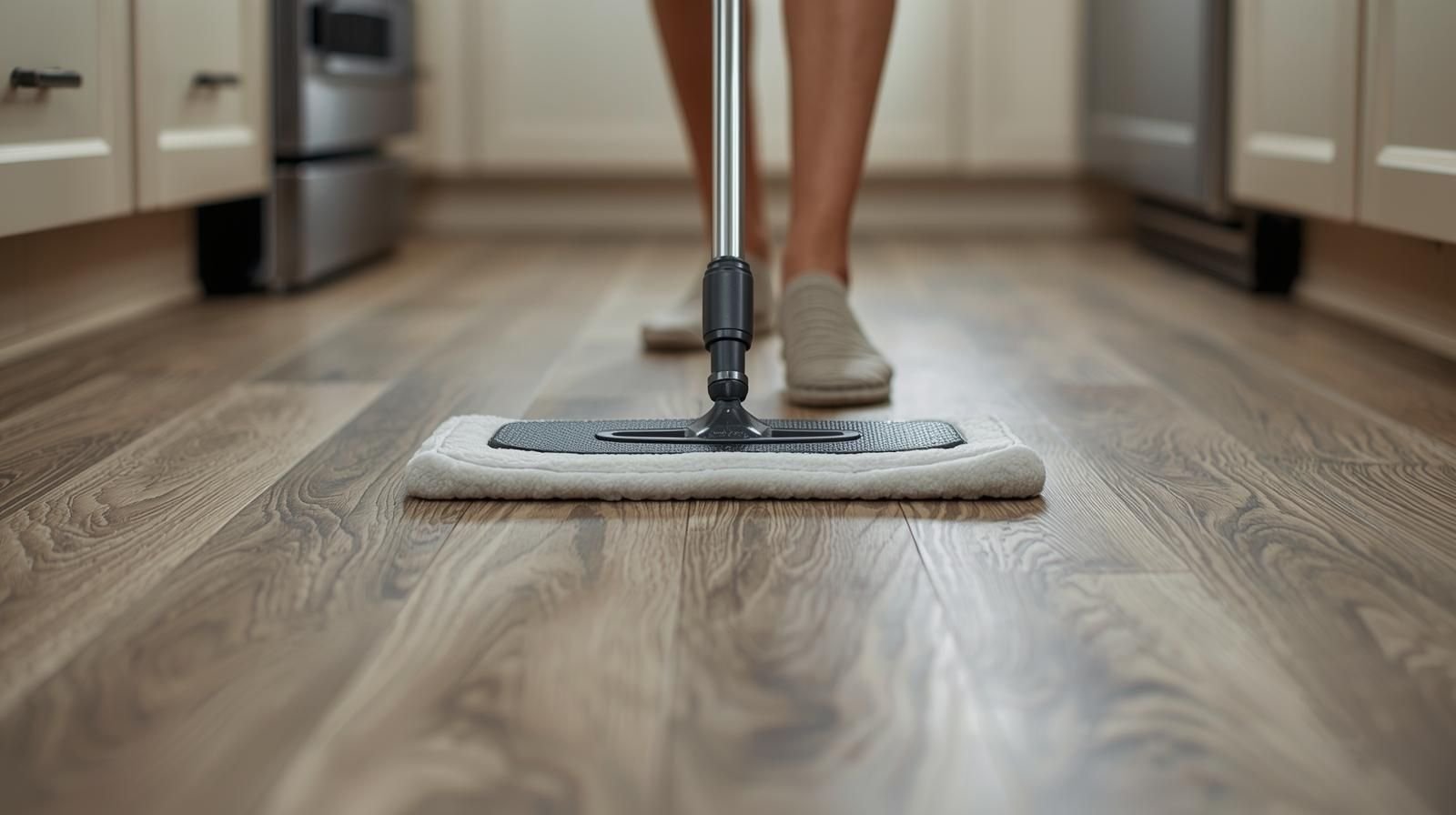
Mopping vinyl floors should always be done with a microfiber mop and a pH-neutral vinyl cleaner. Excess water is one of the most common mistakes homeowners make—vinyl may be waterproof, but moisture can still seep into seams or edges if floors are oversaturated. Light, damp mopping is enough to lift residue without risking damage, leaving floors clean without streaking or buildup.
Vinyl Flooring Maintenance Comparison: LVP vs. Sheet Vinyl
| Feature | Luxury Vinyl Plank (LVP) | Sheet Vinyl |
|---|---|---|
| Seam Exposure | ⚠️ Moderate (click seams) | ✅ Minimal (few seams) |
| Water Sensitivity | ✅ Waterproof core | ✅ Waterproof surface |
| Daily Cleaning | Sweep / vacuum + damp mop | Sweep + damp mop |
| Risk from Excess Water | ⚠️ Moderate at seams | ✅ Low |
| Long-Term Maintenance | Low with proper care | Very low |
Why this matters: Homes with pets, kids, or frequent spills may find sheet vinyl slightly more forgiving, while LVP requires extra care around seams and edges.

Removing Spills, Stains & Scuff Marks
Even though vinyl flooring is designed to resist stains, quick and proper cleanup is still essential for long-term performance. Everyday spills like food, drinks, pet accidents, and tracked-in dirt should be wiped up as soon as possible using a soft cloth or microfiber mop. Letting spills sit too long can cause residue buildup or seepage at plank seams and edges, especially with LVP.
For tougher spots like dried spills or sticky residue, use a pH-neutral vinyl cleaner and avoid scrubbing aggressively. Scuff marks from shoes, furniture, or rubber soles are common but usually easy to remove with a damp microfiber cloth or a vinyl-safe cleaner. Never use abrasive pads, powdered cleaners, or harsh chemicals, as these can permanently dull or scratch the wear layer. Consistent spot cleaning helps maintain an even finish and prevents visible wear over time.
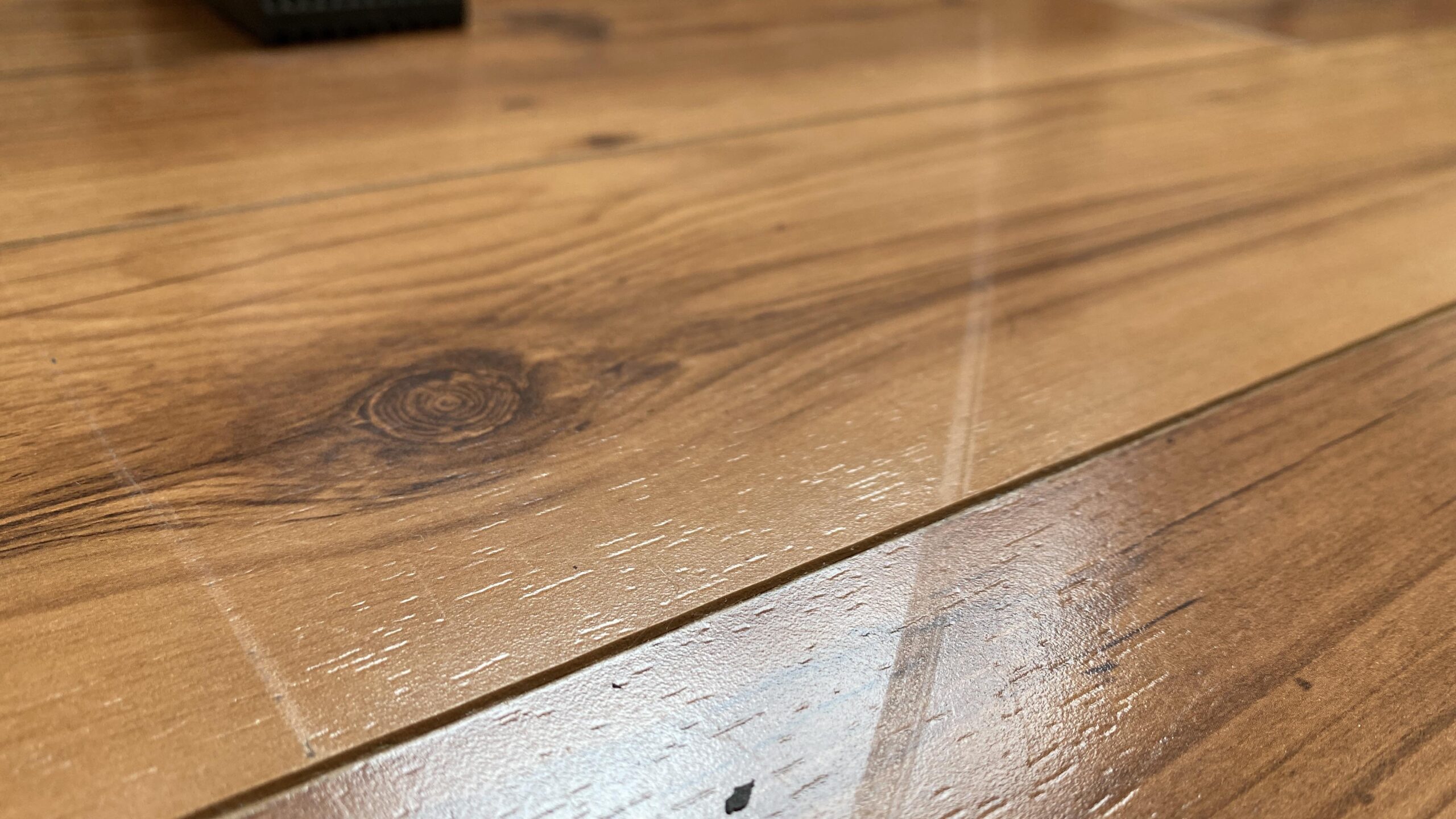
Protecting Vinyl Flooring from Scratches & Wear
Preventing damage is just as important as cleaning when it comes to vinyl flooring maintenance. High-traffic areas, furniture legs, rolling chairs, and pet claws are the most common sources of surface wear. Installing felt pads under furniture, using floor protectors under heavy items, and placing rugs or runners in entryways significantly reduces long-term damage.
Sun exposure is another often-overlooked factor. Prolonged direct sunlight can cause fading or discoloration, especially in rooms with large windows. Using blinds, curtains, or UV-protective window treatments helps preserve the color and appearance of your vinyl floors. With the right protective measures in place, vinyl flooring can maintain its original look for many years without the need for repairs.

Common Vinyl Flooring Maintenance Mistakes to Avoid
Many vinyl flooring issues stem from well-intentioned but incorrect cleaning habits. Steam mops are one of the biggest mistakes homeowners make—they force heat and moisture into seams and edges, which can lead to warping or adhesive failure. Wax, polish, and “shine-enhancing” products should also be avoided, as vinyl floors are designed to maintain their appearance without these coatings.
Using ammonia, bleach, or abrasive cleaners can strip the protective wear layer and cause permanent damage. Even excessive mopping with water can shorten the lifespan of vinyl floors. Following manufacturer-approved cleaning methods not only protects your floors but also ensures your warranty remains valid.
Long-Term Vinyl Floor Care & Maintenance Schedule
Vinyl flooring doesn’t require refinishing, but it does benefit from a long-term maintenance routine. Monthly inspections help catch issues like loose planks, seam separation, or uneven wear before they become larger problems. In busy households, deeper cleaning every few months helps remove residue buildup that daily cleaning may miss.
High-traffic homes with kids or pets should follow a more frequent cleaning schedule to preserve the wear layer. When maintained properly, vinyl flooring can look nearly new for 15–25 years, making it one of the most durable and cost-effective flooring options available.
When Vinyl Flooring Needs Repair or Replacement
While vinyl flooring is built to last, it’s important to recognize when maintenance is no longer enough. Signs like curling edges, deep gouges, cracked planks, or persistent moisture issues may indicate the need for repairs or replacement. Individual planks can often be replaced if damage is localized, making vinyl a flexible option for long-term ownership.
However, widespread wear, subfloor damage, or moisture problems beneath the floor usually signal that replacement is the better solution. A professional flooring evaluation can help determine whether repairs are sufficient or if upgrading to a new vinyl product will provide better long-term value.
Want expert help keeping your vinyl floors looking new—or wondering if it’s time for floor repairs or replacement? Our flooring specialists can evaluate your space, recommend the right maintenance approach, and provide accurate pricing based on your home and lifestyle. Schedule a free, no-obligation flooring estimate today and get professional guidance you can trust.


