
The 7 Hardwood Flooring Trends for 2025
Hardwood flooring continues to redefine classic elegance with modern innovations. In 2025, the spotlight is on natural finishes, eco-conscious choices, and bold patterns that elevate the look of any space. Here are the top hardwood flooring trends shaping homes this year:
1. Natural Matte Finishes
Shiny is out — matte is in. Homeowners are opting for low-sheen, natural oil finishes that highlight the authentic beauty of the wood grain while offering a modern, understated aesthetic. These finishes also help mask minor scuffs and dust, making them both stylish and practical.

2. Wide and Extra-Long Planks
Wide planks, especially those in extra-long lengths, are dominating in 2025. They visually expand rooms and showcase the wood’s natural variation and grain. This style creates a luxurious, clean look that works beautifully in open-concept spaces.

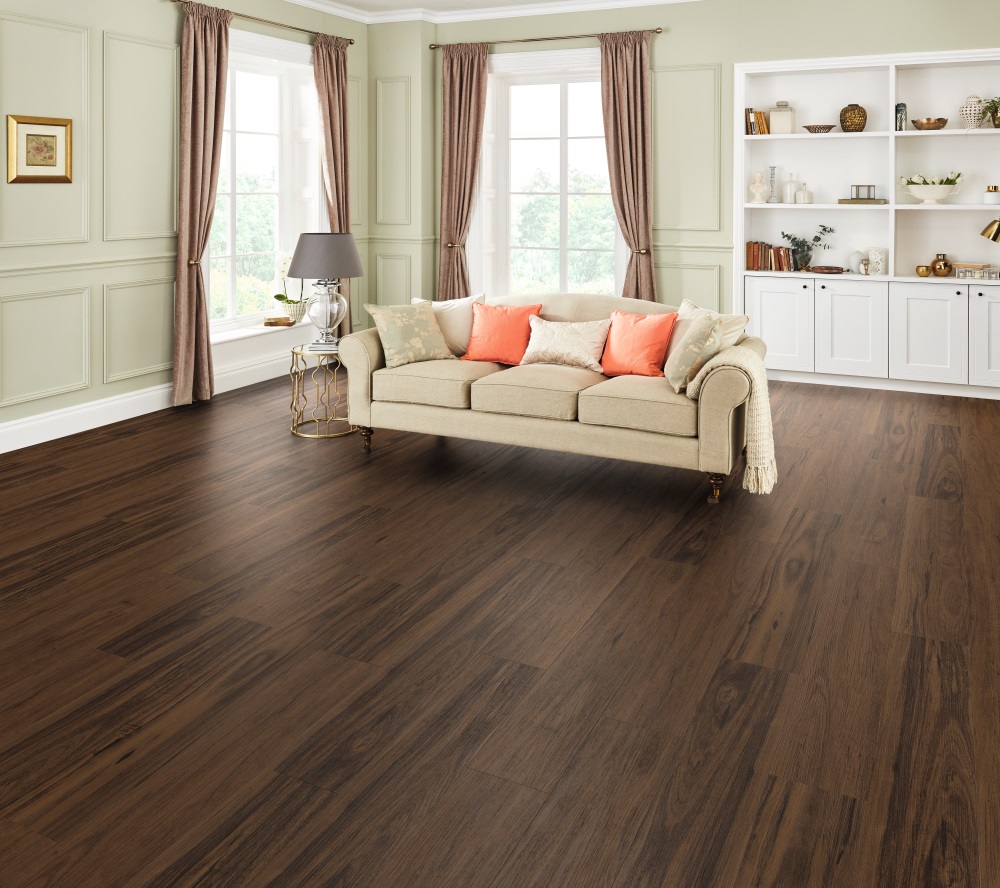
3. Dark Walnut and Warm Neutral Tones
Rich, dark tones like walnut and chocolate brown are back, balanced by warm neutrals such as honey, wheat, and soft beige. These earthy hues create a cozy yet refined atmosphere and pair effortlessly with today’s minimalist and rustic interior trends.
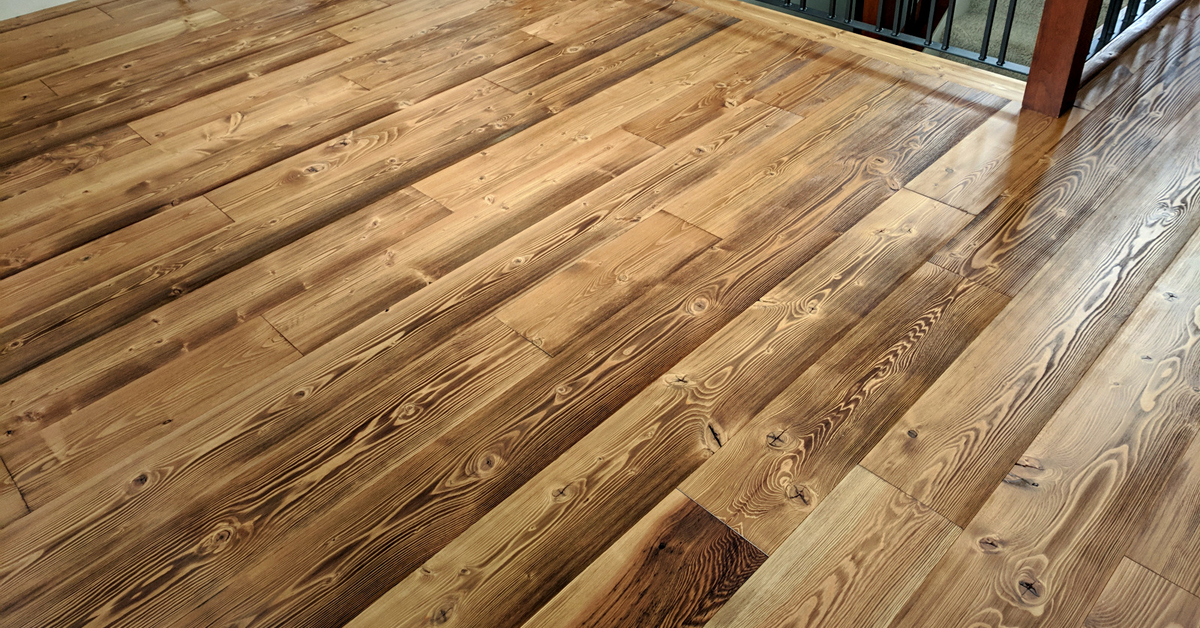
4. Wire-Brushed and Textured Surfaces
Texture is taking center stage with wire-brushed, hand-scraped, and distressed finishes that add depth and tactile character. These surfaces not only enhance visual interest but also help conceal wear over time, making them ideal for high-traffic homes.
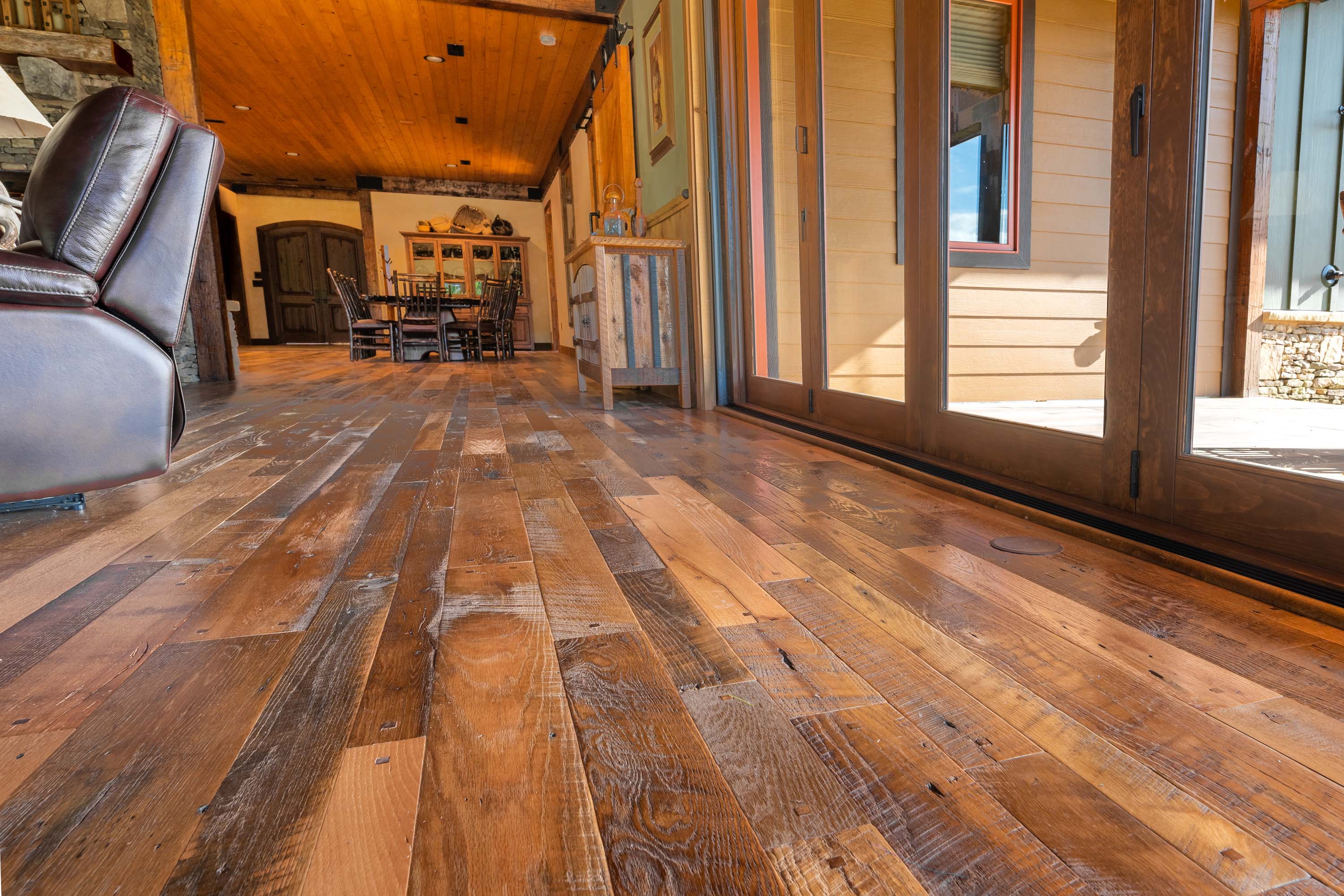
5. Sustainable and Reclaimed Wood
Eco-conscious flooring is on the rise, with homeowners seeking FSC-certified hardwoods and reclaimed wood options. These floors offer unique imperfections, weathered beauty, and a story-rich charm while promoting responsible forest management.
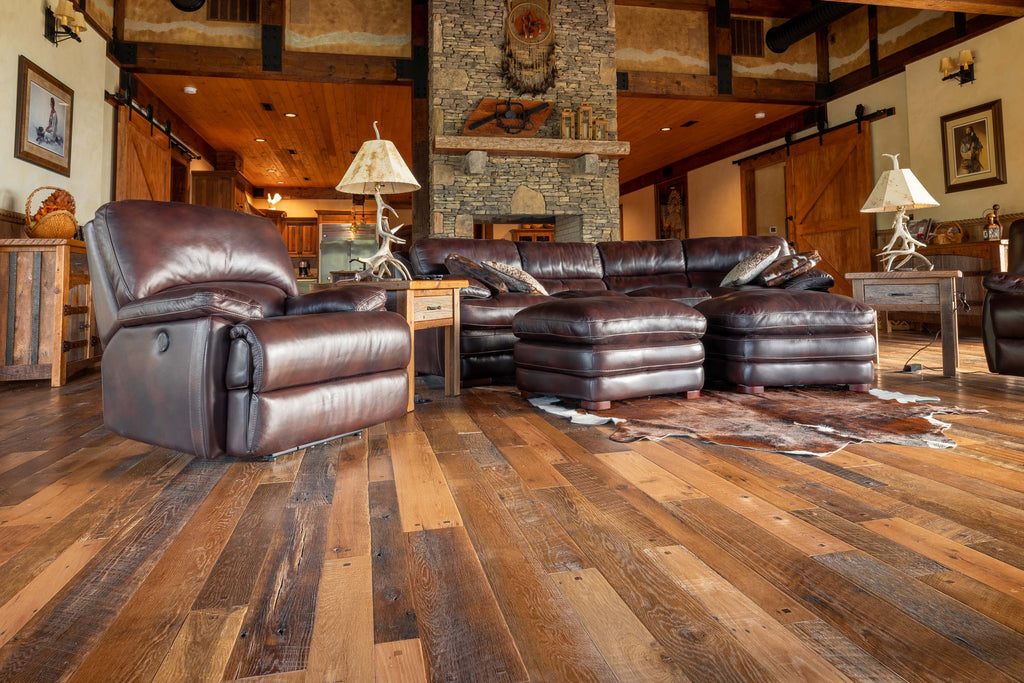
6. Mixed-Width Installations
Designers are mixing plank widths in a single installation to create a more custom, organic look. This approach breaks up visual monotony and introduces subtle movement to the flooring — perfect for modern-rustic or eclectic design schemes.
7. Parquet and Herringbone Layouts
Timeless European-inspired layouts like herringbone and chevron are making a big comeback in hardwood. These intricate patterns add a sophisticated flair to entryways, dining rooms, and even bedrooms, blending classic style with contemporary appeal.

Hardwood Colors, Grains & Finishes to Watch
In 2025, hardwood flooring embraces natural beauty with refined elegance. The focus is on authentic tones, subtle finishes, and distinctive wood characteristics that add depth and personality to interiors.
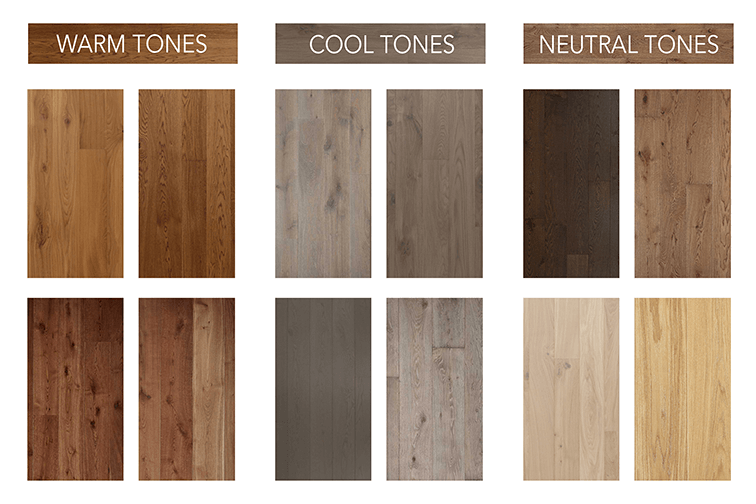
Cool vs. Warm Tones
Homeowners are moving away from the cool grays of previous years, gravitating towards warm, earthy hues like honey, caramel, and chestnut. These tones create a cozy and inviting atmosphere, aligning with the trend towards natural and sustainable design.
Low-Gloss, Natural Oil Finishes
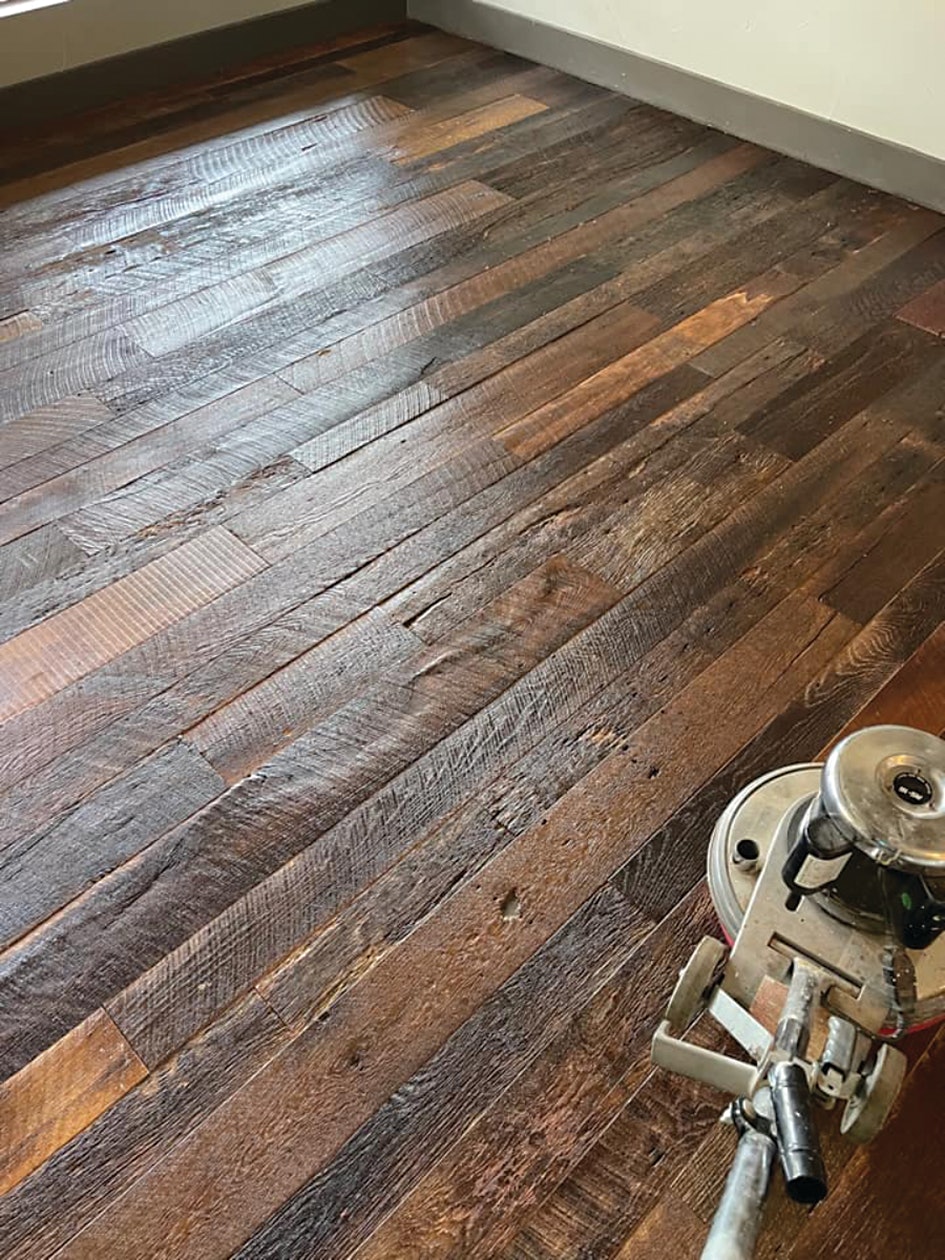
Low-gloss finishes are gaining popularity for their ability to highlight the wood’s natural grain while offering a modern, understated look. Natural oil finishes penetrate the wood, enhancing its durability and providing a soft, matte appearance that’s both stylish and practical.
Unique Wood Species and Character Marks
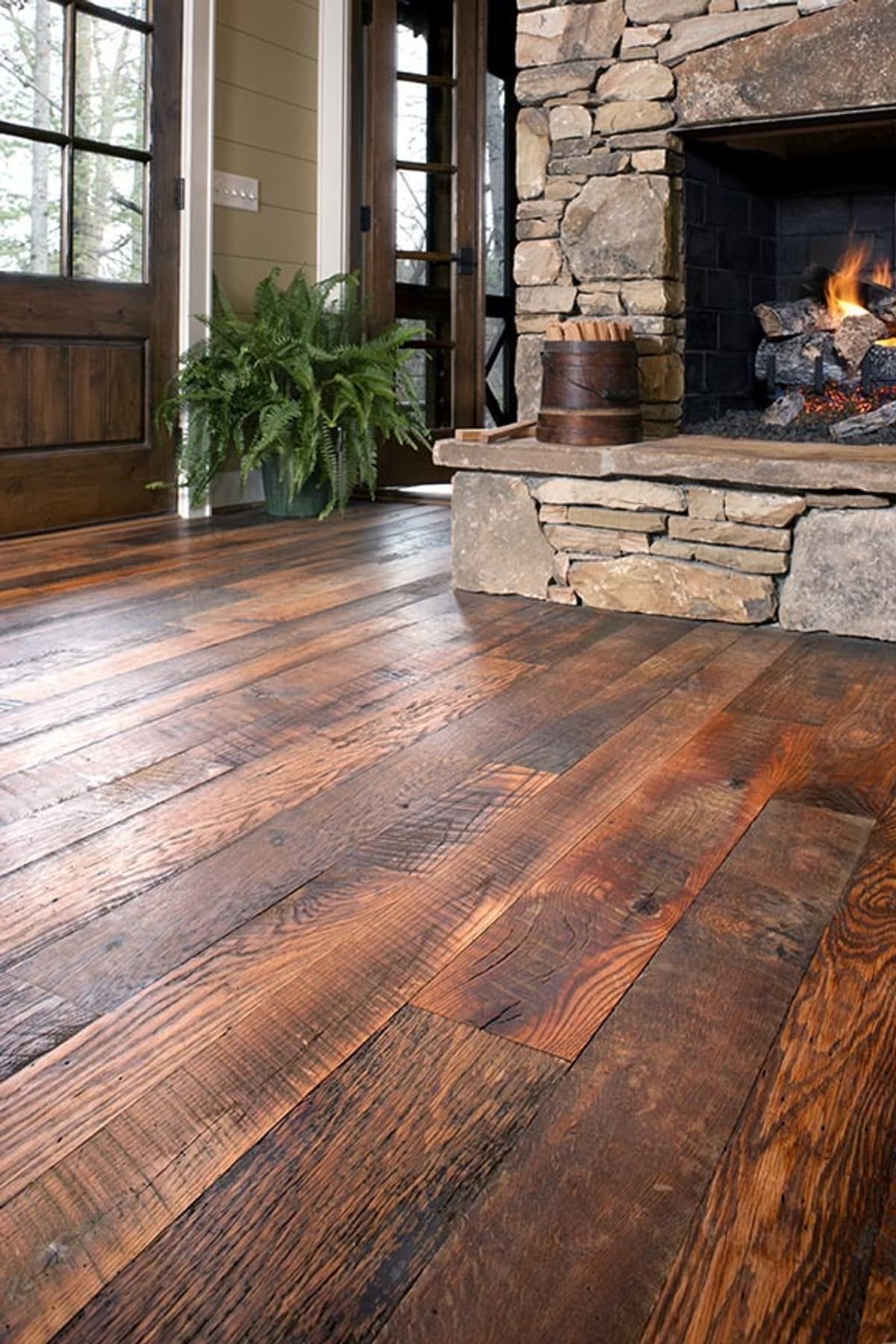
There’s a growing appreciation for wood species that showcase unique grain patterns and natural imperfections. Hickory, for instance, offers color variations from light tan to deep brown, adding character and rustic charm to any space.
Best Hardwood Types by Room (Solid vs. Engineered)
Choosing between solid and engineered hardwood depends on where you’re installing it — and what your home throws at it. Moisture levels, subfloor conditions, and foot traffic all play a role in making the right choice. Here’s how to pick the best hardwood type for each room in your home.
Kitchens and Basements: Is Engineered Wood Safer?
Engineered hardwood is your best friend in moisture-prone areas like kitchens and basements. Thanks to its multi-layered construction, it resists warping and swelling better than solid wood. Look for waterproof or water-resistant engineered products that can handle spills and minor flooding without buckling.
📌 Bonus Tip: Choose click-lock floating floors for basements with concrete subfloors — no nails or glue required.
Bedrooms and Living Rooms: Where Solid Wood Shines
In dry, stable environments like bedrooms and main-floor living rooms, solid hardwood is a timeless choice. Its thick wear layer allows for multiple rounds of sanding and refinishing, offering exceptional long-term value. Plus, the deep grain and authentic texture of solid planks create a premium, natural look that’s hard to beat.
Humidity and Temperature Fluctuations
If you live in a region with big seasonal changes, engineered hardwood offers better dimensional stability. It expands and contracts less than solid wood, making it ideal for areas near large windows, entryways, or rooms with radiant heating systems.
Quick Comparison Table: Solid vs. Engineered Hardwood by Room
| Room | Recommended Type | Why? |
|---|---|---|
| Kitchen | Engineered | Better moisture resistance; more stable on subfloors |
| Basement | Engineered (floating) | Handles humidity; easy to install on concrete |
| Bedroom | Solid or Engineered | Both work well; solid allows for more refinishing |
| Living Room | Solid or Engineered | Solid offers prestige; engineered gives layout flexibility |
| Entryway or Mudroom | Engineered | Withstands temperature swings and wet shoes |
Why Homeowners Are Choosing Hardwood in 2025
Hardwood flooring is experiencing a major resurgence in 2025, and it’s not just about looks. Today’s buyers are prioritizing longevity, sustainability, and a deeper connection to natural materials. Here’s why more homeowners are choosing hardwood over alternatives.
Eco-Conscious Sourcing
Consumers are more environmentally aware than ever, and that’s reflected in flooring choices. Many are opting for FSC-certified wood, reclaimed planks, and low-VOC finishes that promote healthier indoor air quality. These eco-friendly options offer peace of mind and long-term environmental benefits.
👉 Learn more about FSC-certified hardwood
Timeless Resale Value
Hardwood remains one of the most valuable investments for your home. Unlike trendy surfaces that may fall out of favor, real wood holds broad appeal across buyer segments. It boosts property value and often plays a key role in faster, higher-priced home sales.
Comfortable Underfoot Feel
Beyond aesthetics, hardwood feels great underfoot. It provides a warmer, softer surface compared to tile or stone, especially when paired with area rugs. Engineered hardwood also allows for compatibility with radiant heating systems, making it a cozy option for colder climates.
Customization and Luxury Perception
With endless options in wood species, finishes, stains, and layouts, hardwood offers unmatched personalization. Whether you’re after a rustic farmhouse look or modern Scandinavian minimalism, hardwood delivers a high-end, curated finish that elevates any room.
Hardwood Flooring Cost Breakdown (2025 Estimates)
Investing in hardwood flooring means looking beyond upfront material costs — installation method, wood species, and maintenance options all impact the final price tag. Here’s how it breaks down in 2025.
Cost per Square Foot by Wood Species
Different wood species come with different costs due to availability, hardness, and appearance. Here’s what you can expect to pay for materials only:
| Wood Species | Avg. Cost (per sq ft) | Notes |
|---|---|---|
| Red/White Oak | $5 – $8 | Durable, widely available, classic look |
| Maple | $6 – $10 | Smooth grain, modern aesthetic |
| Hickory | $7 – $11 | Rustic, high-variation tones |
| Walnut | $10 – $15 | Rich dark tones, premium feel |
| Reclaimed Wood | $10 – $18 | Eco-friendly, unique character |
| Exotic (Teak, Cherry) | $12 – $20 | High durability, luxury market |
👉 Looking for a detailed pricing chart with pros and cons? Check out our full Hardwood Flooring Cost Guide
Installation Costs: Nail-Down vs. Floating vs. Glue
Labor costs vary significantly depending on how the floor is installed. Here’s a quick comparison:
| Installation Type | Avg. Labor Cost (per sq ft) | Best For |
|---|---|---|
| Nail-Down | $4 – $8 | Solid hardwood, long-term durability |
| Floating (Click-Lock) | $3 – $6 | Engineered planks, DIY-friendly, over concrete |
| Glue-Down | $4 – $7 | Engineered/parquet, high-moisture areas |
Additional charges may apply for underlayment, removal of old flooring, or subfloor prep.
Long-Term Value and Refinishing Options
Hardwood isn’t just about immediate curb appeal — it’s an investment that pays off over time. Solid wood can be sanded and refinished multiple times (typically 3–5), extending its lifespan by decades. Engineered hardwood with a thick wear layer can often be refinished once, offering a balance between performance and cost.
DIY vs. Professional Hardwood Installation: What to Know
Installing hardwood flooring can be incredibly rewarding — or a frustrating, expensive mistake. Whether you should tackle it yourself or hire a pro depends on the flooring type, your tools, and the condition of your subfloor. Here’s what you need to know before deciding.
Can You Install It Yourself — Or Should You Call in a Pro?
DIY hardwood installation is most feasible with engineered click-lock planks. These float over underlayment without nails or glue, making them a popular choice for handy homeowners. Solid hardwood, on the other hand, requires precise cutting, nailing, and finishing — best left to experienced installers, especially on uneven subfloors or larger surfaces.
👉 New to flooring installation? Start with our Hardwood Flooring DIY Guide for step-by-step instructions and prep checklists.
Tools, Skill Level, and Subfloor Prep
Before you start, ask yourself:
Do you own (or plan to rent) a flooring nailer, moisture meter, and saws?
Is your subfloor level, dry, and structurally sound?
Are you comfortable measuring, cutting, and laying precise staggered patterns?
Subfloor prep alone can make or break your installation — especially for nail-down and glue-down methods, which demand smooth, clean, and dry conditions.
When Floating Engineered Planks Work
Floating engineered wood floors are ideal for:
Basements and concrete slabs (no nails required)
Multi-level homes with noise control needs
Quick upgrades with minimal tools
These floors snap together like puzzle pieces and “float” over an underlayment, making them a great weekend project for intermediate DIYers.
Mistakes to Avoid with Solid Wood
Solid hardwood is less forgiving. Common DIY pitfalls include:
Failing to acclimate planks before installation (leading to warping)
Skipping moisture testing on subfloors
Nailing too close to board edges, causing splits
Not leaving expansion gaps around the perimeter
If you’re unsure, investing in a professional can protect your flooring — and your warranty.
Final Considerations Before Choosing Hardwood Flooring
Before you commit to a hardwood floor, it’s important to zoom out and look at the big picture. The right choice balances beauty, function, and longevity — and it’s shaped by the realities of your space, your lifestyle, and your design vision. Here are the top factors to weigh before making your final decision.
Solid vs. Engineered Hardwood
Solid hardwood flooring offers unmatched authenticity and the ability to refinish multiple times — ideal for long-term homes and higher resale value. Engineered hardwood, on the other hand, offers greater flexibility in installation (especially over concrete or radiant heat) and better moisture resistance. Your choice should match both your floor plan and your future plans.
Moisture Tolerance and Room Suitability
Not all hardwood belongs in every room. Engineered hardwood is better for moisture-prone spaces like kitchens, basements, or entryways. Solid hardwood is better suited for dry, stable environments like bedrooms and formal living areas. Always consider humidity levels and potential water exposure before deciding.
Scratches, Dents, and Wear Resistance
Homes with pets, kids, or high traffic need tougher finishes and harder wood species. Hickory and maple are great for durability, while softer woods like pine may dent more easily. Wire-brushed or hand-scraped finishes can also help camouflage wear over time.
For additional high-wear zones like staircases, consider our hardwood stairs offerings — designed for both function and elegance.
Refinishing Potential and Long-Term Value
Solid hardwood wins on longevity — most can be sanded and refinished several times, refreshing the look without full replacement. Hardwood refinishing services can extend the life of both solid and some engineered floors. If you plan to stay in your home for the long haul, refinishing potential can significantly impact lifetime cost.
Design Harmony with Walls, Furniture, and Lighting
Think beyond the floor — hardwood plays a major role in your interior design. Consider undertones that complement your wall colors, furniture styles, and natural light exposure. Cooler tones may suit modern or coastal styles, while warm woods enhance rustic, traditional, or Scandinavian-inspired spaces.
Need more guidance? Explore all of our hardwood flooring options to find a style that perfectly fits your space.
Need Help Choosing or Installing Your Hardwood Flooring?
Now that you’ve explored the top hardwood flooring trends for 2025 — from wood types and finishes to layout ideas and cost considerations — you’re one step closer to transforming your space with the warmth and elegance of real wood floors. But if you’d rather skip the guesswork, subfloor prep, and precise cuts, we’ve got you covered.
Our experienced team handles everything — from on-site moisture testing and custom layout planning to the expert installation of solid and engineered hardwood, hardwood stairs, and refinishing services that restore older floors to like-new condition.
We’ll also help you select the right hardwood style and format for your home’s lighting, color scheme, and long-term needs — whether you’re remodeling a cozy bedroom, a high-traffic entryway, or an open-concept living area.
Click here to contact us today and schedule your free in-home consultation to see if we serve your area!


